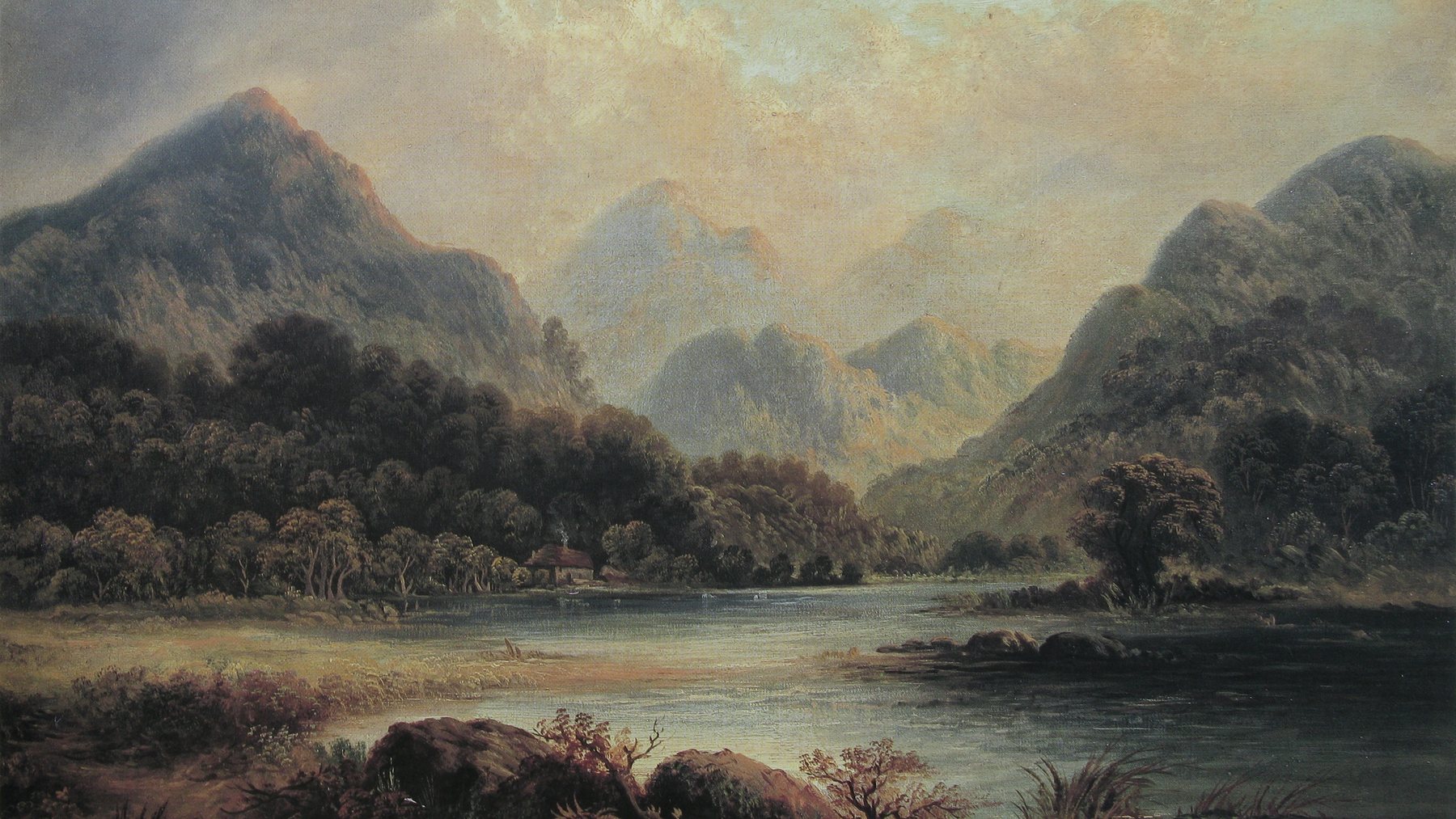
I moved my practice across an ocean and it took me about four years to admit that most of it had not arrived with me. The prayers came. The dead came. The books came, obviously, in more boxes than I care to describe. But the part of the work that had been about the place itself, the burn behind the house, the particular hill, the well you did not walk past without saying something, that part had stayed exactly where it was, and no amount of wanting brought it after me.
This is not a small problem and it is not only mine. Most people practising some form of Celtic, Norse, Hellenic or otherwise ancestral tradition today are doing it thousands of miles from where that tradition was formed, on land that has its own weather, its own dead and its own living people. We tend to handle this by not mentioning it. I would like to mention it.
The old practice was local before it was anything else
Start with what the tradition actually was, because the modern version has been flattened into something portable and the original was emphatically not.
In Ireland there is a whole body of medieval literature, the dindshenchas, whose entire subject is the lore of places: how this ford got its name, who died at that hill, what happened at this lake and why you should know. Hundreds of poems and prose tracts, compiled from the eleventh and twelfth centuries, doing nothing but binding story to ground. It is not a mythology with places in it. It is a landscape with stories growing out of it, which is a different thing entirely.
In Gaelic Scotland the equivalent instinct shows up in the word dùthchas, which is usually translated as heritage and means something closer to the bundle of belonging, right and obligation that attaches a people to a particular ground. It is not ownership. It is not sentiment either. It is the assumption that you and this specific place have duties to one another, and that neither of you chose it.
The spirit-figures follow the same rule. The Cailleach is not a general goddess of winter who can be invoked anywhere. She is in specific mountains. There is a small turf-roofed shrine in Glen Lyon in Perthshire, Tigh nam Bodach, where a family of water-worn stones is brought out at Beltane and put back inside at Samhain, and has been for longer than anyone can properly date. That is what this tradition looks like at its root: a particular stone, in a particular glen, attended by particular people, on two particular days.
You cannot take that to California. There is no version of it that survives the flight.
The Romans had a word for the thing you are missing
The ceremonial side of the Western tradition knew this too, and had a technical term for it. Genius loci, the spirit of the place. Roman altars inscribed to the genius of a particular spring, a particular crossroads, a particular fort turn up across the empire, including all over the northern British frontier, put there by soldiers who were themselves a long way from home and handling the problem the sensible way.
Note what those soldiers did not do. They did not decide the local spirit was a version of one they already knew and carry on as before, at least not always. Frequently they made an offering to the spirit of that place, by that place's name where they could learn it, alongside their own gods. Two things at once. The gods you brought, and the ground you are standing on, addressed separately because they are separate.
Your gods can travel. Your dead can travel. The spirit of a place is, by definition, the one thing that cannot.
The two easy answers, and why both are bad
The first easy answer is to pretend. You keep the Scottish calendar, you keep the Scottish imagery, you light a fire at Bealltainn in a landscape that is already three weeks into fire season, and you do not look up. I did a version of this for years. It is not wicked, it is just increasingly hollow, and eventually you notice you are performing a memory instead of practising anything.
The second easy answer is to help yourself. This land already has people with an unbroken relationship to it. In the county where I live that is the Kumeyaay; further north it is the Tongva, the Chumash, the Cahuilla and others. Their practices are alive, they are held by communities, and they are not a resource lying about for a Scottish witch to pick up because she needs a local vocabulary. The fact that a thing is nearer to you geographically does not make it yours. If anything it raises the standard of your conduct, because now you are a neighbour rather than a tourist.
There is a specific version of this worth naming because it is so common. White sage, Salvia apiana, is a chaparral plant of enormous cultural significance to several Indigenous Californian peoples, and it has been stripped from hillsides at industrial scale to be sold in bundles to people who call the practice smudging and have no idea whose word that is standing in for. If you live here, you can walk past white sage most weeks. Walk past it. There are other plants, and the restraint is itself a form of relationship.
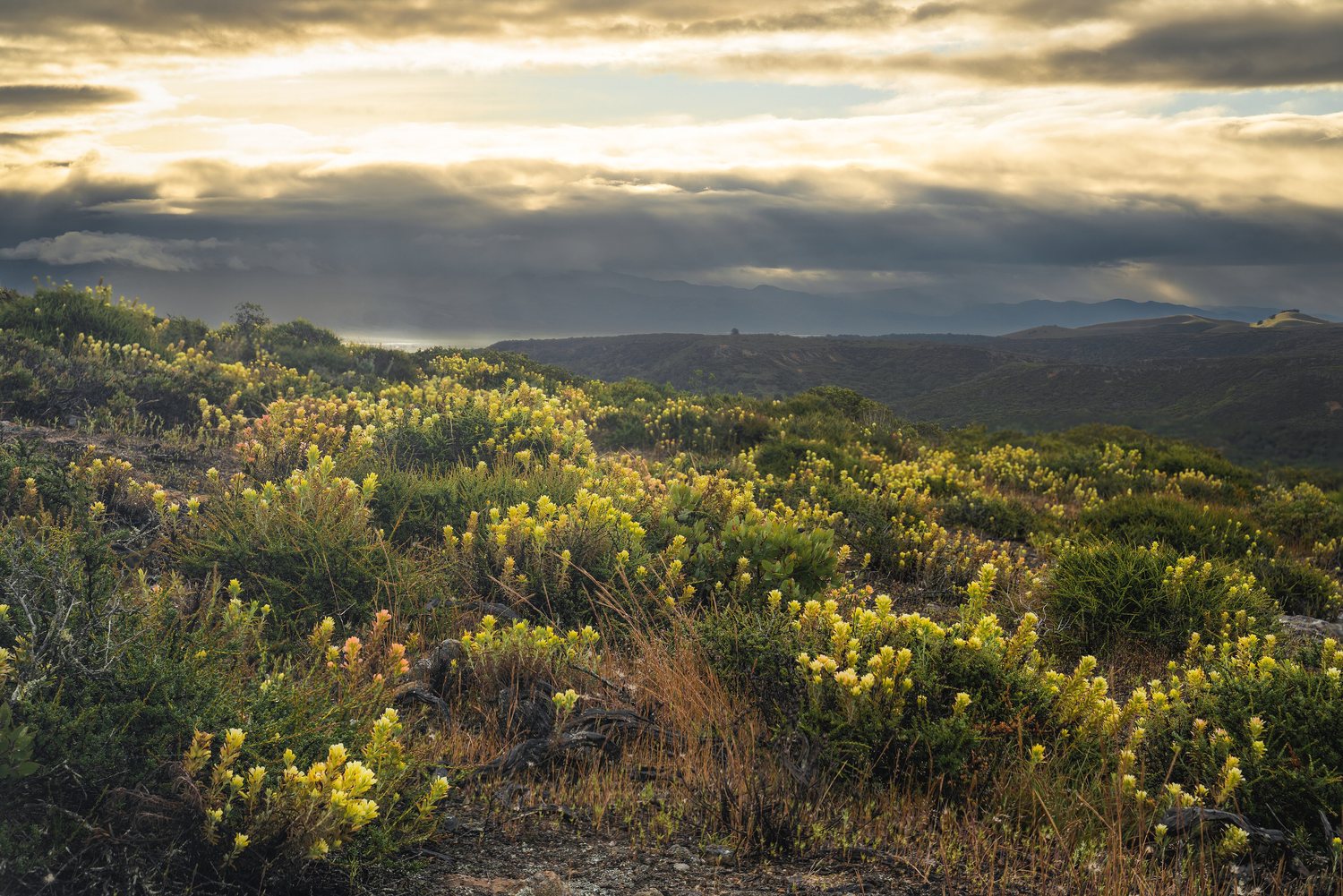
What is left, once you have refused both shortcuts, is the position of a beginner. Not a beginner in magic. A beginner in this place. And the useful thing is that the tradition already contains instructions for that, because everyone in it was once new somewhere.
The instruction is attention over time. It takes about a year, it is unglamorous enough that almost nobody does it, and it is the only thing I have found that actually works.