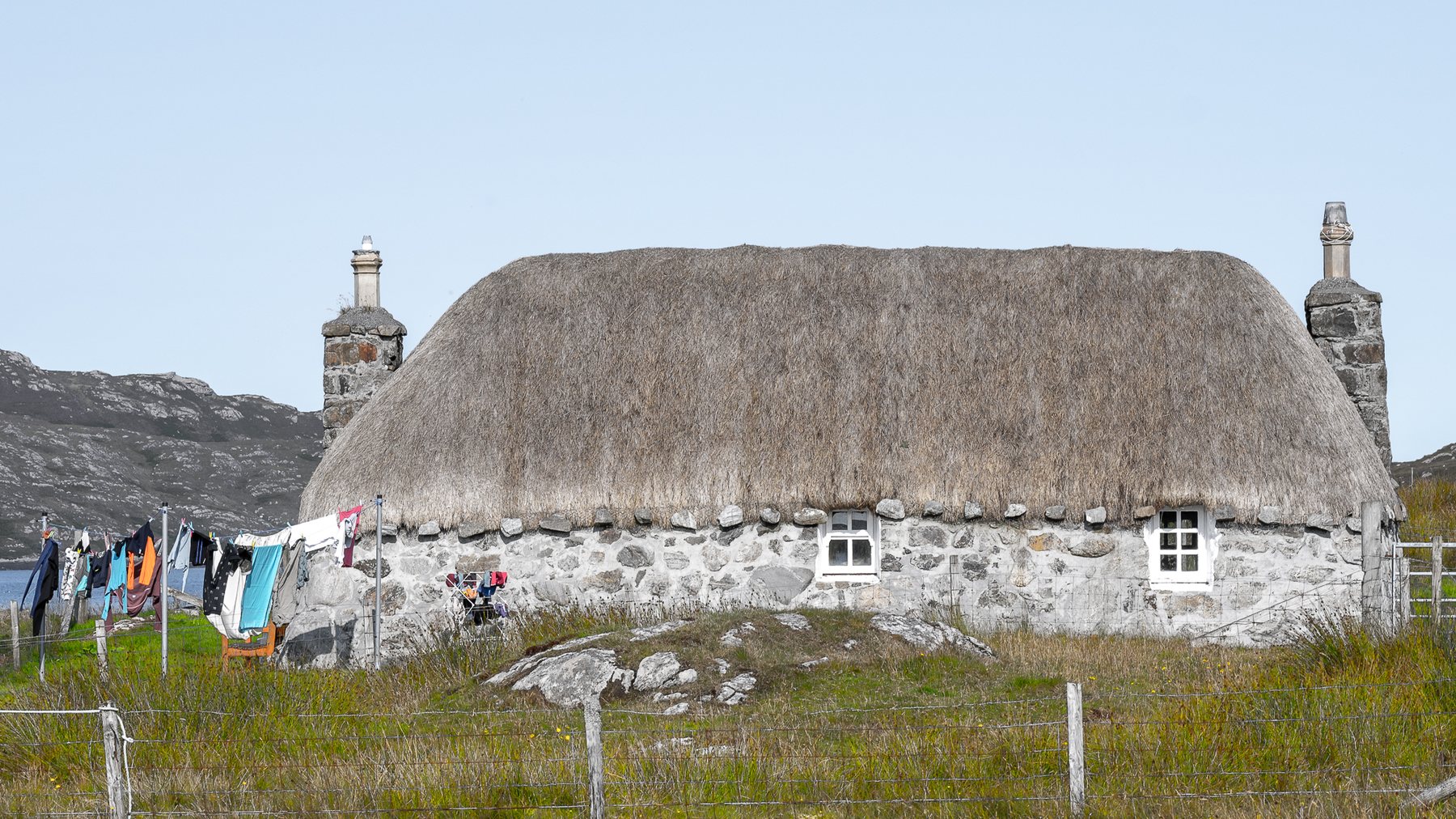
There is a picture people carry of what Gaelic magic looked like, and it involves a robed figure at a standing stone at dawn. The reality, as far as we can reconstruct it, was a woman banking a fire at half past nine at night, laying three peats in a rough cross, drawing the ash over them with the side of her hand, and saying something under her breath while she did it. Then going to bed.
That is the tradition. Not ceremony, speech. Continuous, domestic, muttered speech, attached to work you were doing anyway, several times a day, every day, for a lifetime. If you want the single most transferable thing in Gaelic practice, it is that, and it is available to you tonight without buying anything.
The book that preserved it, and how
Almost everything popularly known about this comes from one source, which is both a gift and a problem.
Alexander Carmichael was born in Lismore in 1832 and spent his working life as an exciseman, which meant travelling constantly through the Hebrides and the western Highlands and being welcomed into a very large number of kitchens. From the 1850s until his death in 1912 he collected: charms, blessings, prayers, incantations, hymns, work songs, scraps of custom. The first two volumes of Carmina Gadelica appeared in 1900, with the Gaelic and his own English translation on facing pages. Further volumes were edited after his death by his daughter Ella and his grandson James Carmichael Watson, and later by Angus Matheson, running into the 1970s.
It is an extraordinary body of material. It is also, and this matters, an edited one, and I will come to that.
What is in it
The material sorts into rough categories, and the categories tell you a great deal about how the practice worked.
- Eòlasan, charms of knowledge, mostly for healing. For a sprain, for the toothache, for a burn, for the evil eye, for a beast that has stopped eating. These are the closest thing to what a modern person would call a spell, and they are overwhelmingly medical.
- Beannachdan, blessings, attached to specific actions. Kindling the fire in the morning, smooring it at night, milking, churning, weaving, setting out on a journey, going to sea, going to bed, dressing, washing the face.
- Seun and sìan, protections, put around a person or a beast or a house. The most striking of these is the caim, the encompassing: you extend your index finger and turn sunwise on the spot, drawing a circle around yourself while you speak, and the circle travels with you as you walk. It is the simplest ritual technology I know and it is genuinely effective as a practice of attention.
- Seasonal and calendar material, for Brìghde's day, for Beltane, for Michaelmas with its bannock and its horse racing on the machair.
Read a hundred of them in a row and the shape becomes obvious. The overwhelming majority are attached to labour. This is not a devotional practice you set aside time for. It is a way of doing the washing.
The smooring of the fire, as an example
I use this one constantly as a teaching example because it shows every feature of the form at once.
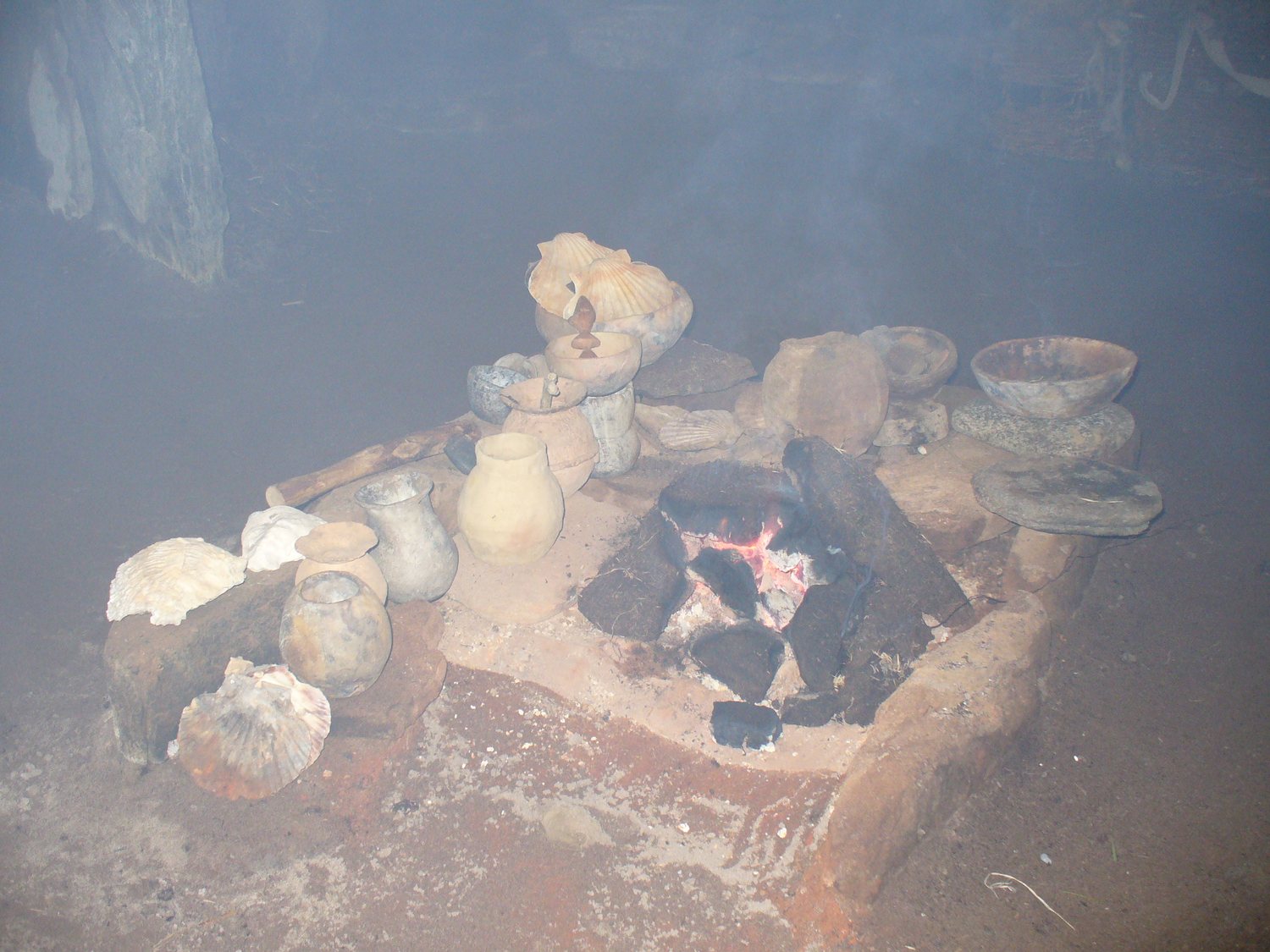
At the end of the day the peat fire was not extinguished, it was smoored: banked down under its own ash so that it held a live ember until morning. In many households this was done by dividing the embers into three and laying a peat between each division, then covering the lot with ash so that it was smothered but not killed, and a small mound was raised in the centre. The three sections were named for the Three, and a charm was said over the whole action.
Look at what is happening there. The magical act and the practical act are the same act. If you do not smoor the fire you have no fire in the morning, and lighting one from scratch in a wet climate before matches was a serious matter. So the household's actual survival, the daily physical labour, the sacred numbering and the spoken blessing are one single gesture performed once a day by whichever woman was up last. There is no separation anywhere. That is the thing modern practice keeps failing to reproduce.
The charm was never an interruption of the work. The charm was how the work was done.
Which brings us to the part most people skip, and the part you should know before you say one of these out loud.
Alexander Carmichael was not a recording device. He was a Victorian exciseman with a poet's ear, a nationalist's motive and a habit of tidying, and Gaelic scholars have been arguing about his hand in this material since the 1970s. The argument matters. It also does not end where you would expect.
Illustrations
- Thatched croft near Loch Baghasdail, South Uist. Thomas Andy Branson. 2021. CC BY-SA 4.0. Source
- Peat fire, Bostadh, Isle of Lewis. Colin Smith. 2011. Geograph Britain and Ireland. CC BY-SA 2.0. Source
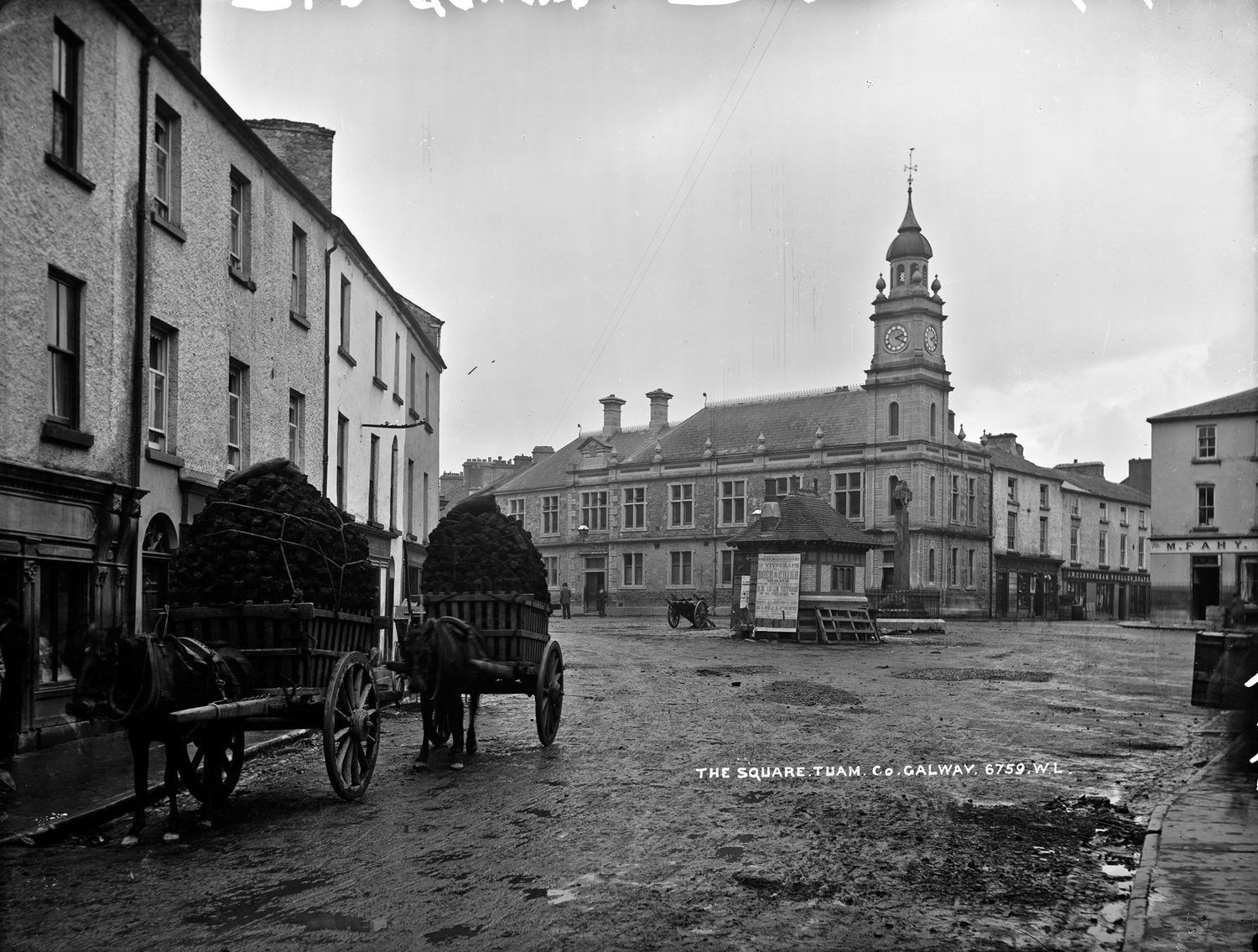
- Bringing home the turf. Robert French. Lawrence Photograph Collection, National Library of Ireland. Public domain. Source